Understanding Roulette Odds – How Probabilities Vary Between Bets

Understanding Roulette Odds – How Probabilities Vary Between Bets
Roulette is one of the most recognisable casino games in the world – a blend of elegance, chance, and mathematics. The spinning wheel and bouncing ball may seem purely random, but every outcome follows a clear set of probabilities. Understanding how these odds work can help you make more informed choices and enjoy the game for what it is: a contest between luck and logic.
The Wheel and the Numbers – The Foundation of the Odds
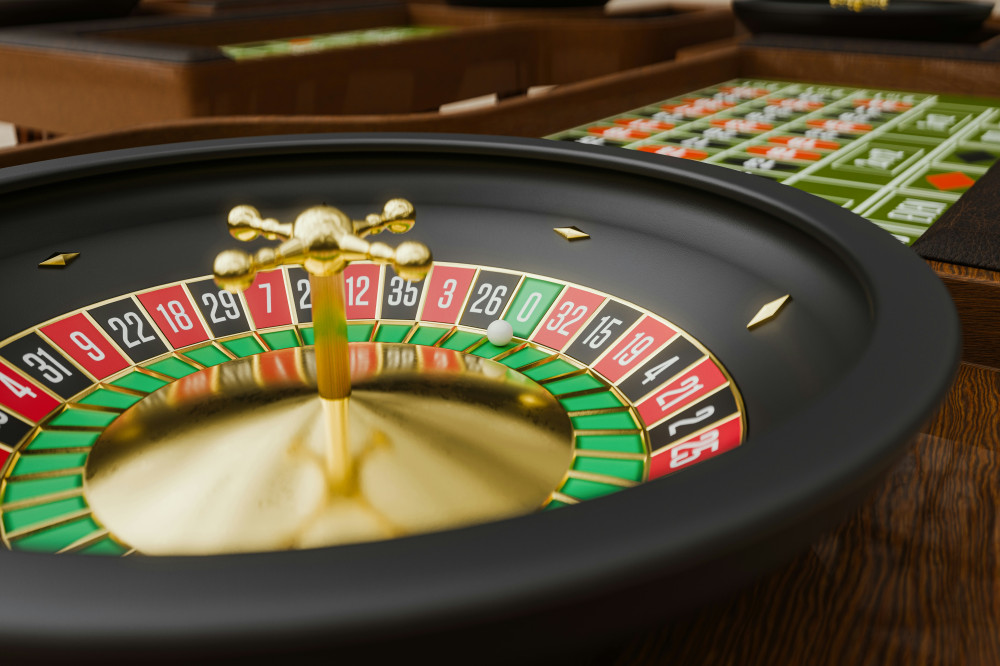
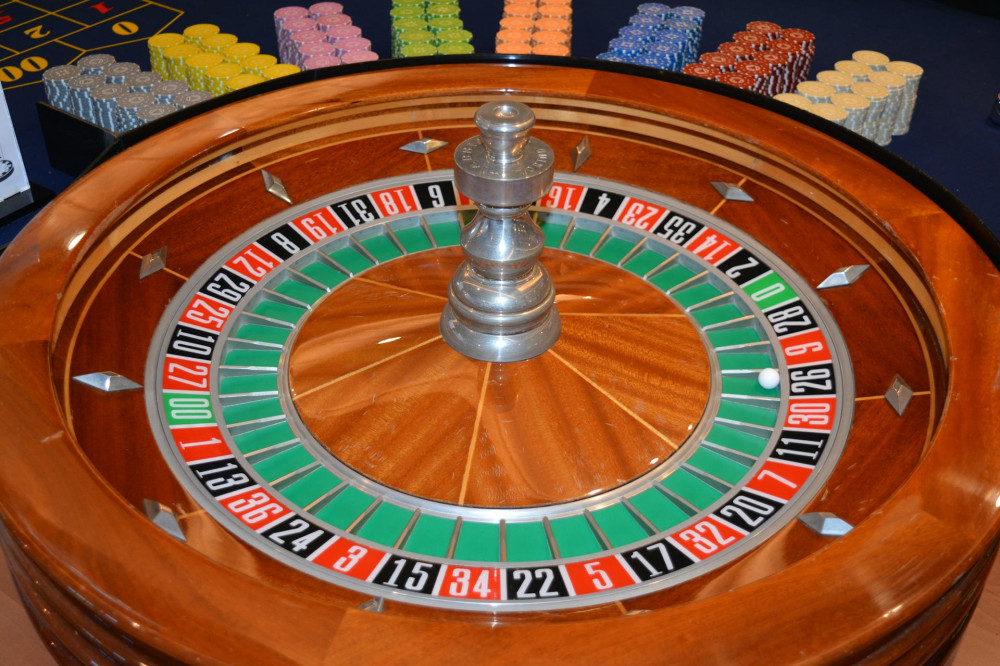
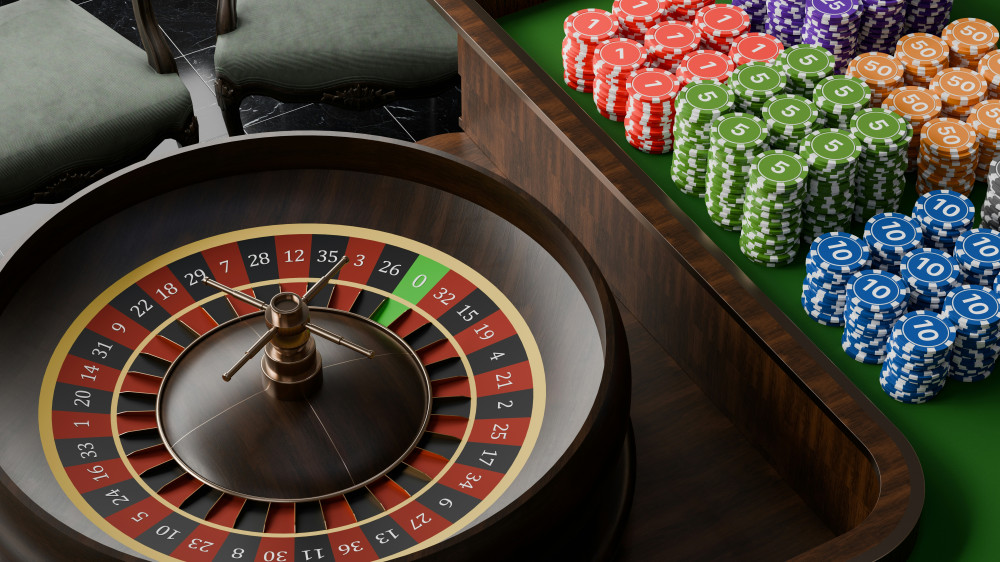
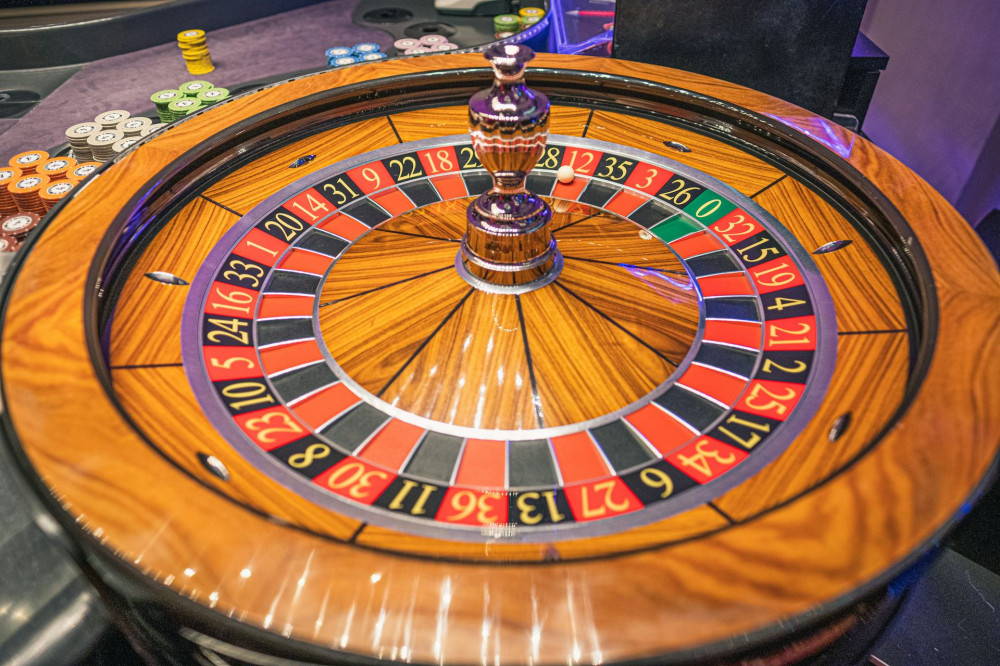
A standard European roulette wheel has 37 pockets: numbers 1 to 36 plus a single green zero (0). The American version adds an extra double zero (00), increasing the total to 38 pockets and slightly improving the house’s advantage.
Each spin is independent, and every number has an equal chance of being selected. The fewer numbers your bet covers, the higher the potential payout – but the lower your chance of winning.
The Two Main Types of Bets
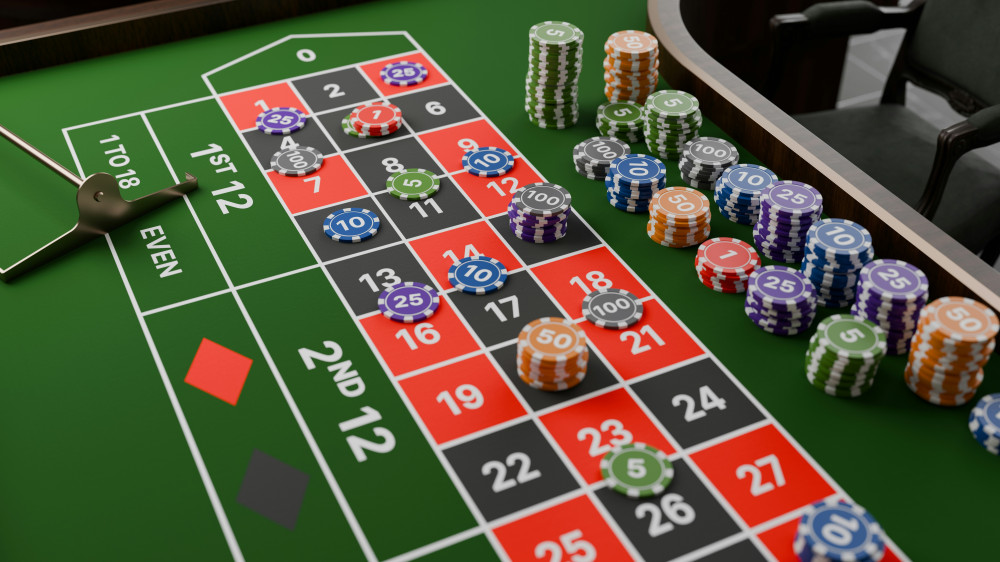
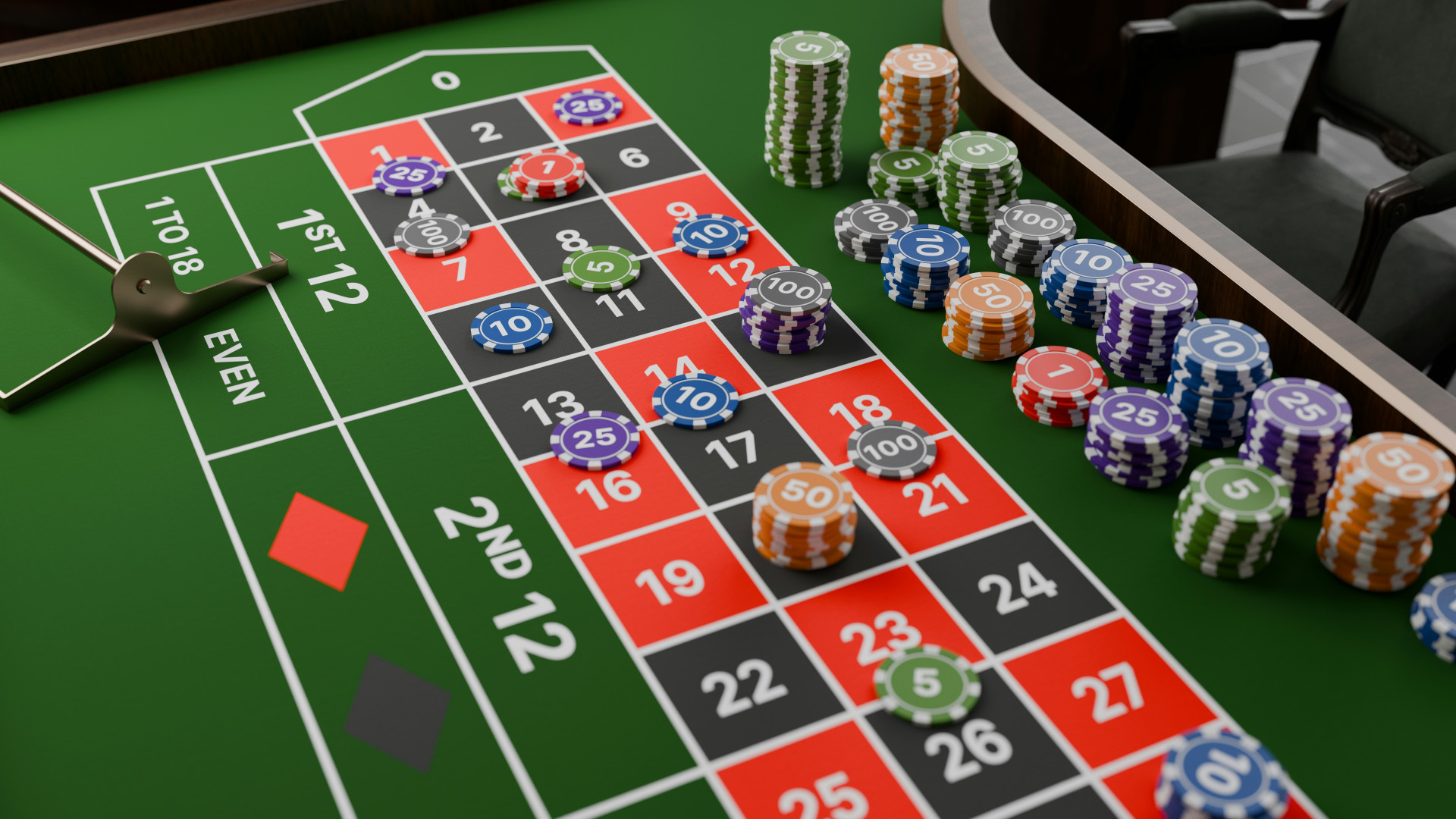
Roulette bets are generally divided into inside bets and outside bets. Inside bets focus on specific numbers or small groups of numbers, while outside bets cover larger sections of the table.
Inside Bets – Higher Risk, Higher Reward
Inside bets are for players who enjoy the thrill of chasing big wins. They include:
- Straight up – betting on a single number. Probability: 1 in 37 (about 2.7%), payout: 35 to 1.
- Split – betting on two adjacent numbers. Probability: 2 in 37, payout: 17 to 1.
- Street – betting on three numbers in a row. Probability: 3 in 37, payout: 11 to 1.
- Corner – betting on four numbers that meet at a corner. Probability: 4 in 37, payout: 8 to 1.
- Line bet – betting on six numbers across two rows. Probability: 6 in 37, payout: 5 to 1.
These bets offer the biggest potential returns, but the odds of hitting them are low. They’re popular among players who prefer excitement over consistency.
Outside Bets – Lower Risk, Lower Reward
Outside bets cover broader categories of numbers, giving you a higher chance of winning but smaller payouts.
- Red or Black – betting on the colour. Probability: 18 in 37 (about 48.6%), payout: 1 to 1.
- Even or Odd – same probability and payout as colour bets.
- Low (1–18) or High (19–36) – also 18 in 37 chance, payout: 1 to 1.
- Dozens (1–12, 13–24, 25–36) – covers 12 numbers, probability: 12 in 37, payout: 2 to 1.
- Columns – another 12-number bet with the same odds and payout as dozens.
These bets are ideal for players who prefer steadier play and longer sessions.
The House Edge – The Hidden Factor
No matter which bet you choose, the casino always has a small built-in advantage. In European roulette, this comes from the single green zero, which doesn’t belong to any red/black or even/odd group. This means that over time, the house wins slightly more often than the player.
- House edge in European roulette: about 2.7%
- House edge in American roulette: about 5.3% (due to the extra 00 pocket)
This difference makes European roulette the better option for players whenever it’s available – including in most Irish and UK casinos, where the single-zero version is standard.
Probability and Strategy – What You Can Control
Roulette is a game of chance, and no system can change the underlying mathematics. However, you can choose bets that match your playing style and risk tolerance.
- For steady play, stick to outside bets like red/black or even/odd.
- For bigger thrills, try inside bets such as straight up or split.
- You can also mix different bet types to balance risk and reward.
Remember that each spin is independent – previous results don’t influence future ones. The idea that a number is “due” to appear is a common misconception.
European vs. American Roulette – Small Difference, Big Impact
The extra double zero in American roulette might seem minor, but it significantly increases the house edge. For example, the chance of hitting a single number drops from 1 in 37 to 1 in 38. Over time, this difference adds up, which is why experienced players usually prefer the European version.
Læs også:



Roulette as Entertainment – Not an Investment
Roulette should always be seen as entertainment, not a way to make money. The odds are fixed, and the house will always have an advantage. By understanding how probabilities work, you can play more responsibly, set realistic expectations, and enjoy the game for its excitement rather than its potential profit.
Knowing how the odds vary between bets doesn’t guarantee a win – but it does give you a clearer view of the game’s inner workings. And in roulette, that understanding is the real reward.
Læs også: