Roulette in Language: When the Game Shapes Our Expressions

Roulette in Language: When the Game Shapes Our Expressions
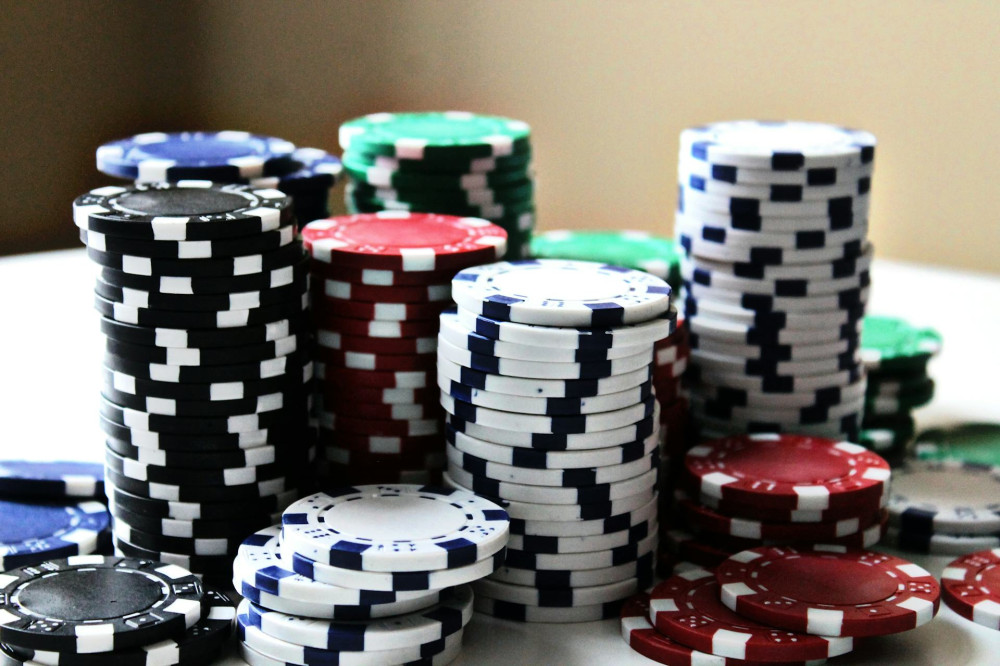
When we say someone is “playing fast and loose with the truth” or that they’ve “put all their cards on the table,” we rarely stop to think about how deeply the language of games has spun itself into our everyday speech. Gambling and games of chance have long been part of human culture, and their influence reaches far beyond the casino floor. Roulette, poker, and card games have not only entertained us but also given us vivid ways to talk about risk, luck, and the unpredictable turns of life.
From the Casino to Conversation
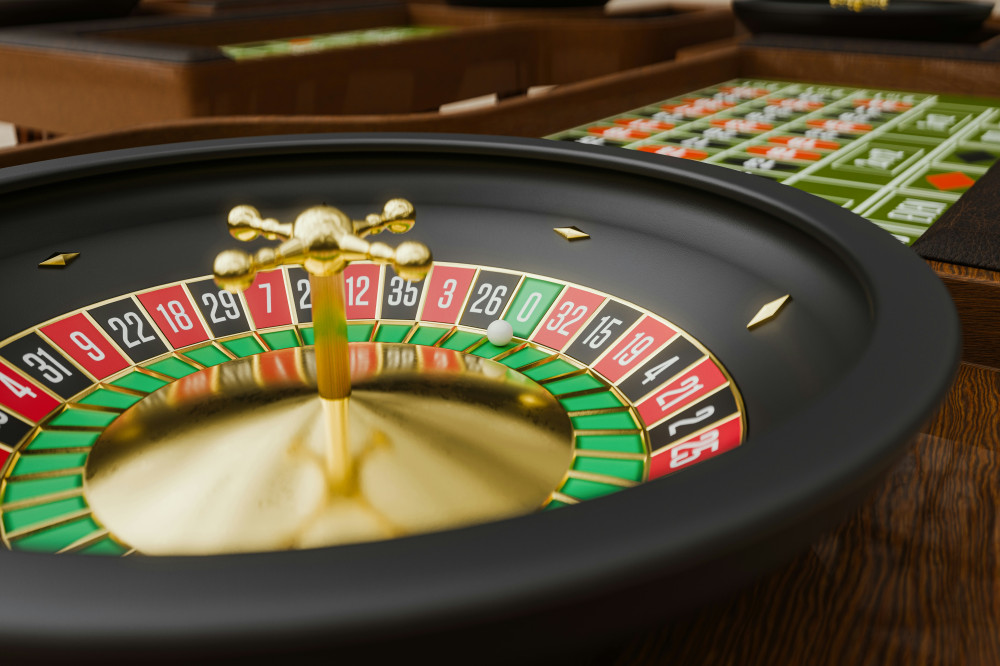
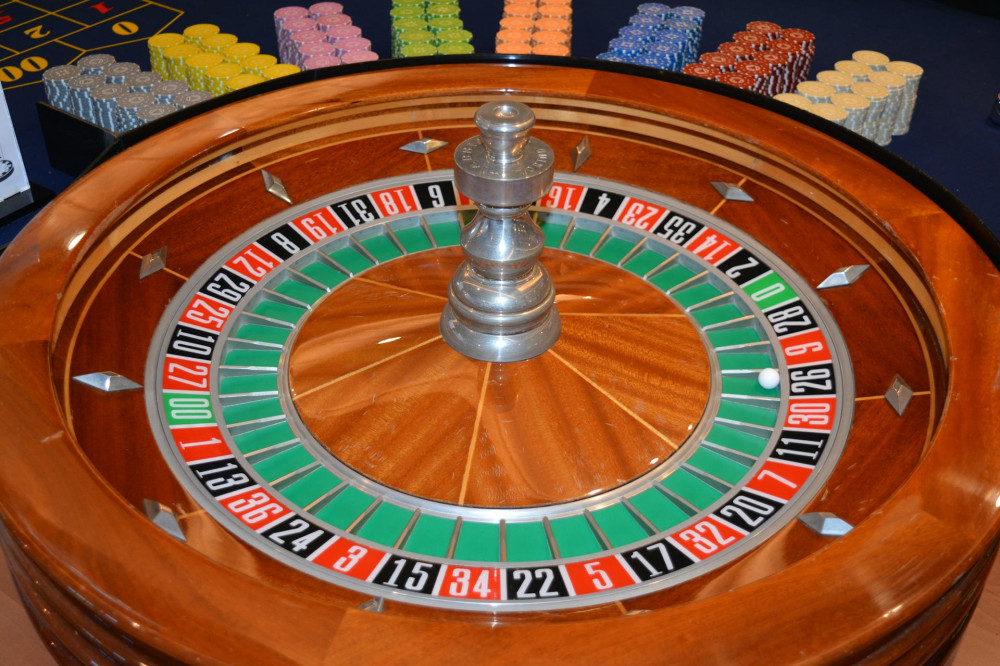
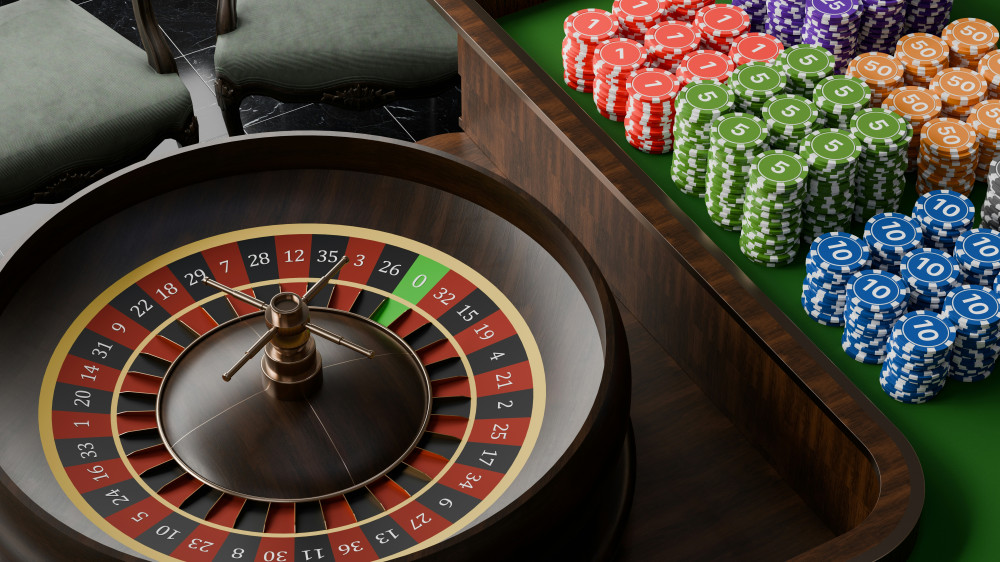
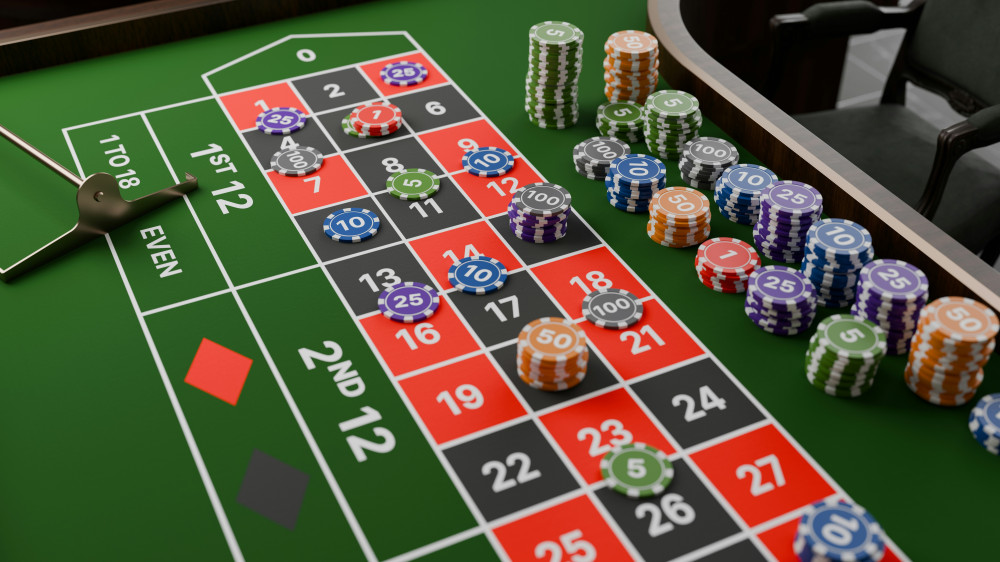
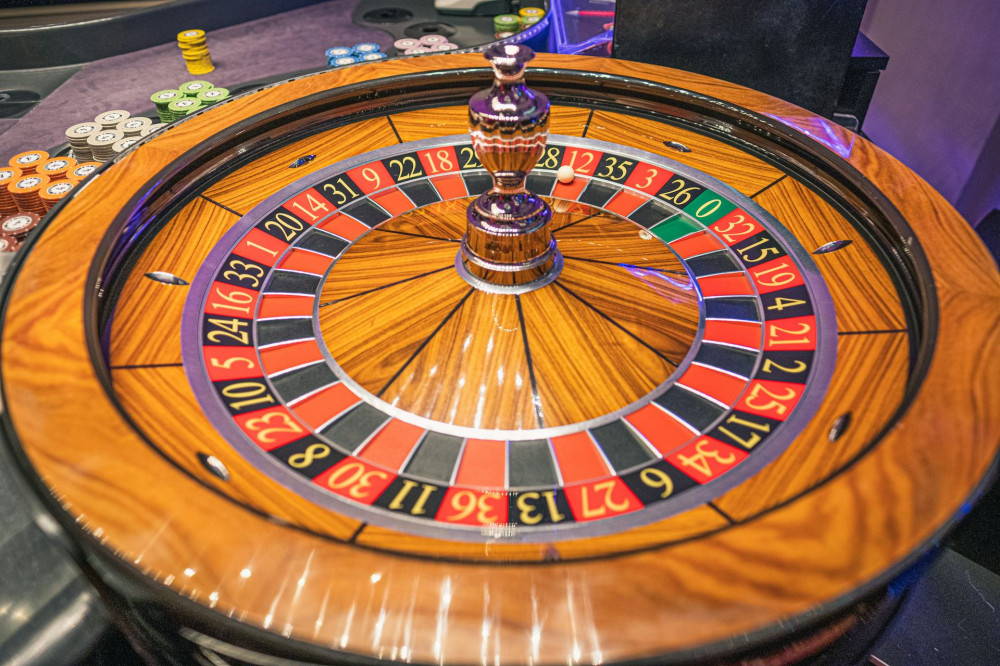
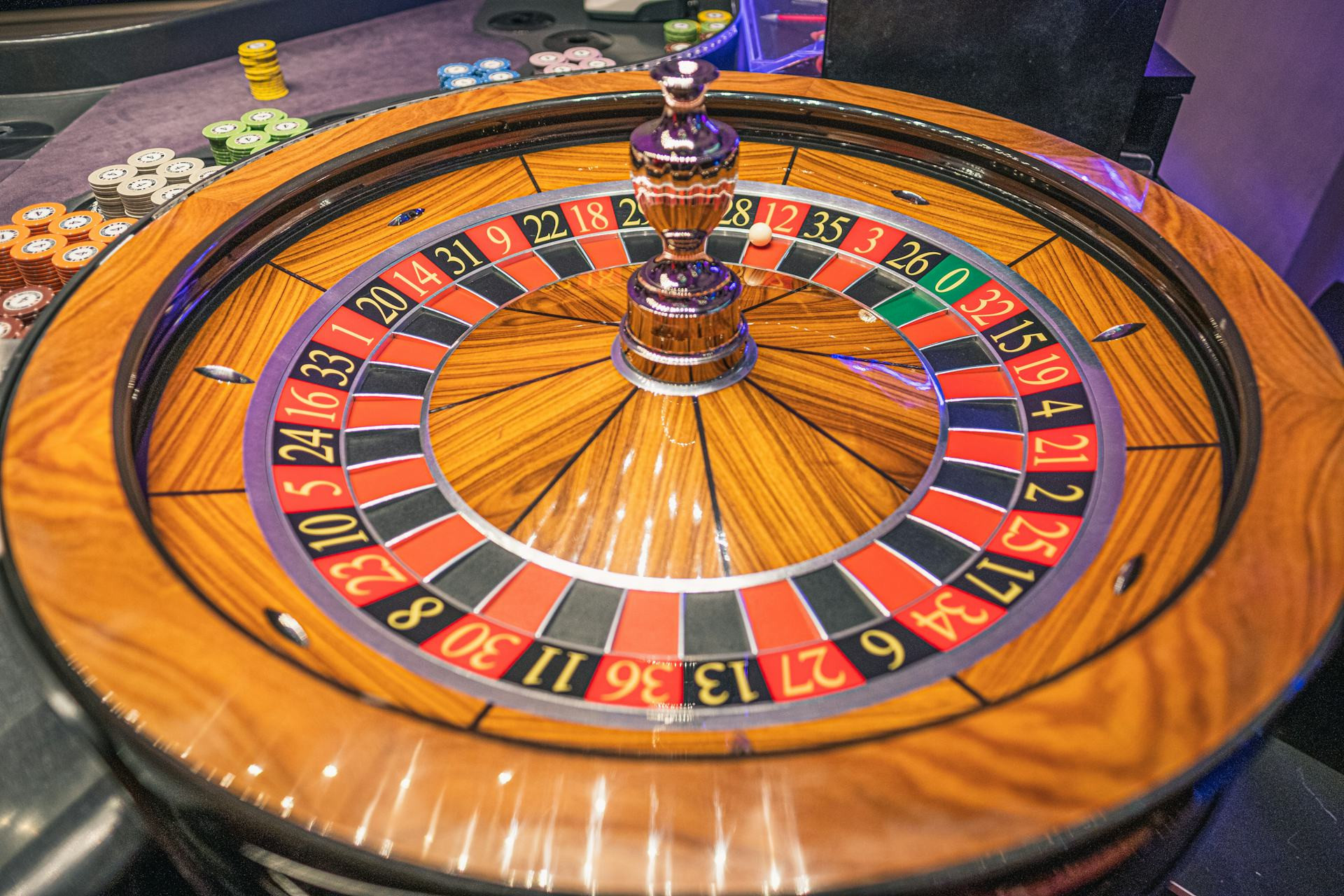
Roulette is perhaps the ultimate symbol of chance. The spinning wheel, the bouncing ball, the suspense before it lands – it’s no wonder we use it as a metaphor for uncertainty. When someone says, “It’s pure roulette,” they mean the outcome is completely out of their hands, just as it is when the wheel is in motion.
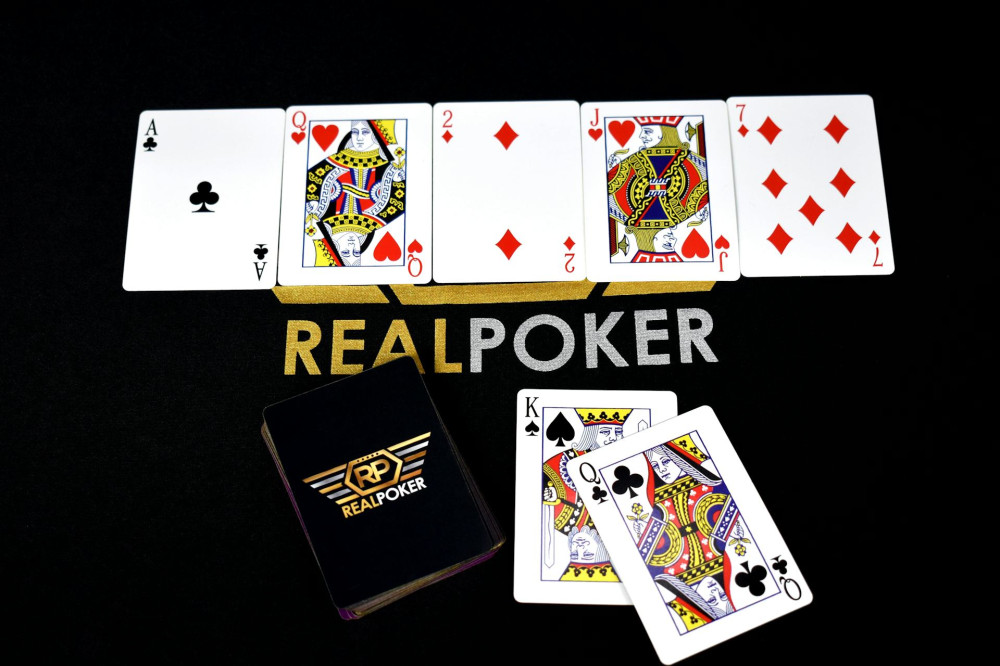
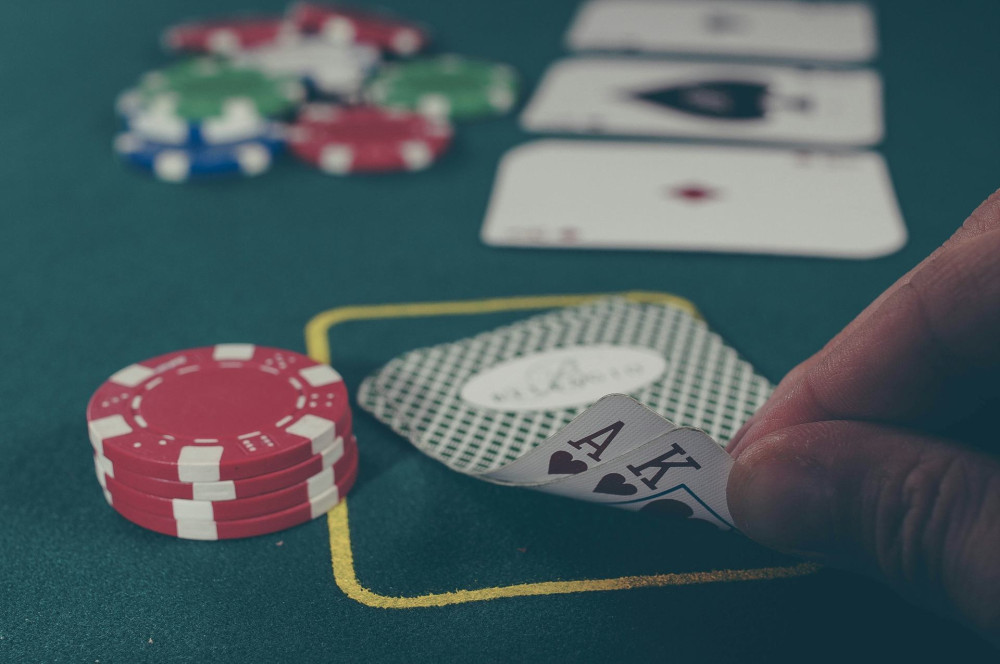
Card games have left their mark too. Expressions like “to have an ace up your sleeve” or “to play your cards right” no longer refer to literal cards but to strategy, preparation, and honesty. We use them in business, politics, and personal relationships – any situation where risk and reward are in play.
The Language of Risk and Chance
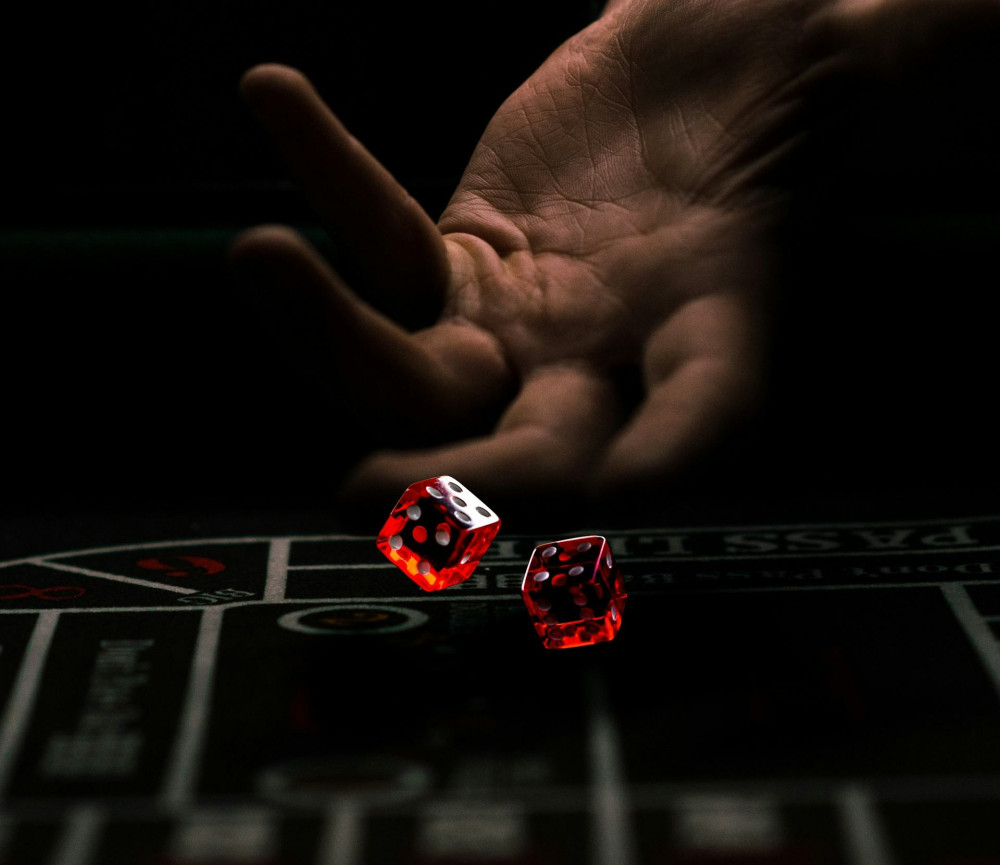
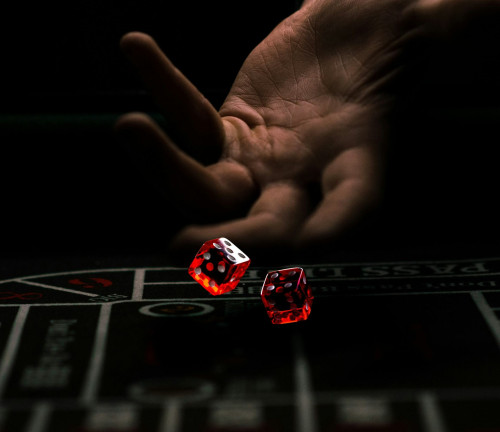
There’s something magnetic about risk, and our language reflects that fascination. To “take a gamble” or “roll the dice” isn’t always reckless; it can also mean being bold or ambitious. These expressions give us a way to talk about moments when we act despite uncertainty – when courage matters more than control.
In Ireland, where luck and fate often feature in folklore and storytelling, it’s easy to see why such metaphors resonate. From the “luck of the Irish” to the idea of fortune turning like a wheel, we find comfort and humour in the unpredictable. Roulette becomes a fitting image for life itself: we can choose where to place our bets, but we can’t decide where the ball will land.
Læs også:


When the Game Becomes Part of Identity
Language mirrors society, and as gaming and betting have become more visible in popular culture, new expressions have emerged. We talk about “gambling with your career” or “going all in” on a new project. Even in love, people “take a chance” or “play for keeps.” These phrases show that gambling isn’t just about money – it’s about choice, risk, and hope.
In Ireland’s lively pub culture, where conversation and humour thrive, such expressions often carry a wink and a smile. They capture the spirit of taking life as it comes, of trusting both skill and serendipity.
A Language That Spins Like the Wheel
Roulette and other games have given us more than entertainment – they’ve given us metaphors that make our language dynamic and relatable. When we use the language of games, we give shape to life’s uncertainties in a way that feels both dramatic and familiar. Perhaps that’s why these expressions endure: they speak to something deeply human.
So the next time you hear someone say that “life’s a gamble,” think of the roulette wheel spinning endlessly – a reminder that language, like the game itself, keeps turning, full of chance, rhythm, and possibility.
Læs også: