The Dynamics of the Game: How Different Player Types Shape the Atmosphere at the Poker Table

The Dynamics of the Game: How Different Player Types Shape the Atmosphere at the Poker Table
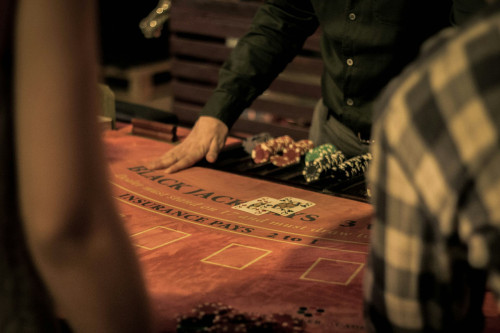
A poker table is more than just cards, chips, and strategy – it’s a living social arena where personalities collide, blend, and influence one another. The atmosphere can shift from quiet concentration to bursts of laughter in a matter of minutes, depending on who’s sitting down to play. To truly understand the dynamics of the game, it’s worth looking at the typical player types – and how each one shapes the experience for everyone around the table.
The Patient Strategist – the Calm at the Centre
The patient player is the one who sits quietly, observing, rarely taking unnecessary risks. They play few hands, but each move is deliberate. This type brings a sense of calm and focus to the table. For others, it can be both reassuring and unnerving – how do you play against someone who almost never makes a mistake?
When a patient strategist is present, the pace often slows, and the game takes on a more serious tone. It can inspire respect, but also tension, because everyone knows that when this player finally enters a hand, it’s for a reason.
The Aggressive Tactician – the Engine of the Game
At the opposite end of the spectrum sits the aggressive player. They raise often, apply pressure, and force others to make tough decisions. This type injects energy and unpredictability into the game – even seasoned players can find themselves off balance.
Aggression can be thrilling to watch and challenging to face. It keeps the game dynamic and forces everyone to stay alert. But if it goes too far, the atmosphere can become tense. The aggressive player walks a fine line between boldness and overconfidence.
The Social Entertainer – the Glue of the Table
Some players come not just to win, but to make the game enjoyable for everyone. The social player chats, jokes, and keeps the mood light. They can ease tension and make newcomers feel welcome – especially in casual games at local clubs or home tables across Ireland.
This type is vital to the table’s chemistry because poker is, at its heart, a social game. A well-timed laugh can break the ice and remind everyone that it’s meant to be fun. Still, the entertainer must know when to dial it back – too much chatter can distract others and disrupt the flow of play.
The Inexperienced Beginner – the Wild Card
The beginner brings freshness and unpredictability. Without fixed habits or strategies, they can surprise even the most experienced players. For some, it’s a welcome challenge; for others, it’s a source of frustration when logic suddenly goes out the window.
The atmosphere around a beginner often depends on how others respond. With patience and humour, the table can become more relaxed and inclusive. But if irritation takes over, the tone can quickly shift. In Irish poker circles, where friendliness is often part of the culture, a bit of encouragement can go a long way.
Læs også:


The Seasoned Manipulator – the Psychologist of the Game
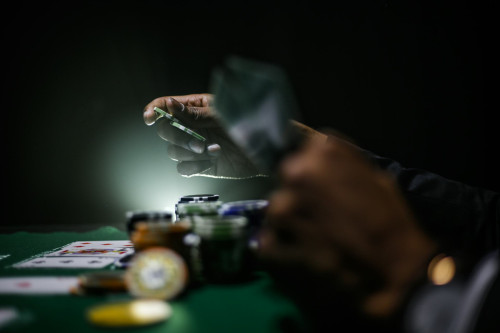
The manipulator is a master of reading people. They use not only the cards but also body language, timing, and subtle comments as tools. This player can make opponents doubt themselves – and that changes everything.
When a manipulator is at the table, the game becomes more psychological. It’s intense, sometimes exhausting, but also deeply engaging. For many, this mental duel is what makes poker endlessly fascinating.
When Types Collide – Balancing Competition and Camaraderie
The real magic happens when these types meet. The aggressive player challenges the patient one, the social player lightens the mood, and the manipulator tries to steer the flow. Each brings something unique, and together they create a dynamic that makes every game different.
A good poker table isn’t just about cards and chips – it’s about chemistry. When competition and camaraderie are in balance, the experience becomes both thrilling and enjoyable, no matter who ends up taking the pot.
Poker as a Reflection of Personality
Poker often reveals more about people than they realise. Some play as they live – cautiously, boldly, analytically, or impulsively. That human element is what keeps the game so captivating. Every hand is a new situation, and every player brings their own energy to it.
Understanding the dynamics of poker isn’t just about reading the cards – it’s about reading the people behind them. That’s where the true art of the game lies.
Læs også: