Probability and the Lottery: A Journey Through the Evolution of Science and Gaming


Probability and the Lottery: A Journey Through the Evolution of Science and Gaming
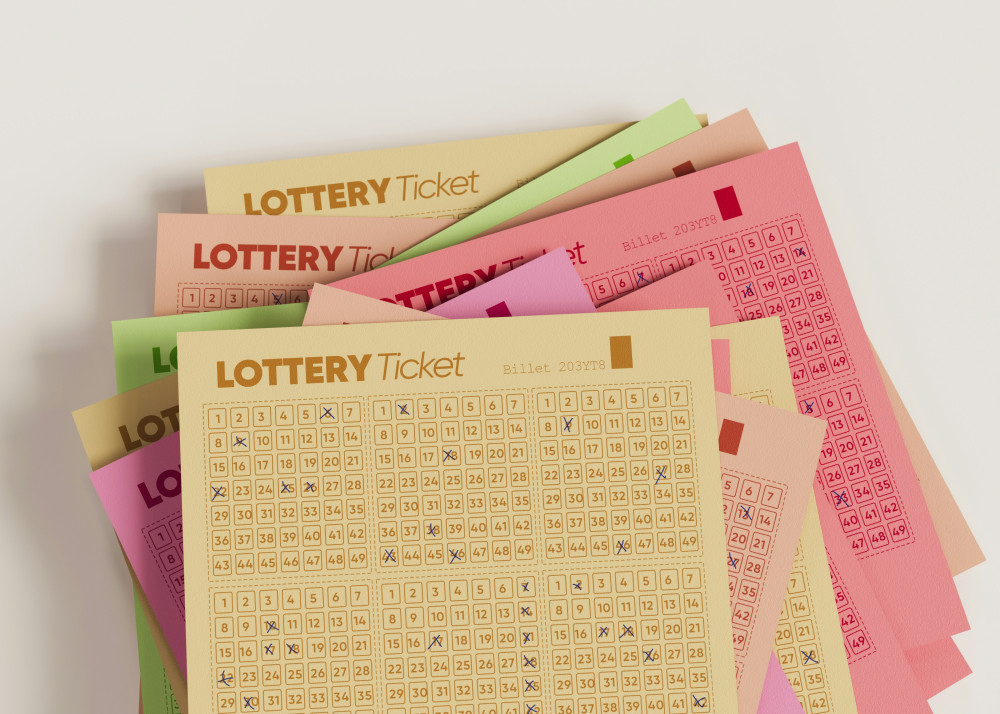
Every week, millions of people across the world buy a lottery ticket, dreaming of that life-changing win. For most, it remains just that – a dream. Yet our fascination with chance, luck, and probability has a long and surprisingly scientific history. From the first civic lotteries of Renaissance Europe to today’s data-driven gaming systems, the lottery has mirrored both our hopes and our attempts to understand the nature of randomness.
From Charity Draws to National Lotteries
The earliest organised lotteries in Europe appeared in the 15th and 16th centuries, often used to fund public works such as bridges, fortifications, and churches. In Ireland, lotteries have a similarly civic heritage. The Irish Hospitals’ Sweepstake, launched in 1930, became one of the most famous lotteries in the world, raising funds for hospitals while capturing the imagination of the Irish public and the diaspora alike.
When the National Lottery was introduced in 1987, it continued this tradition, supporting arts, sports, and community projects across the country. The lottery was not just a game of chance – it was a social institution, combining the dream of sudden wealth with a sense of collective contribution.
The Birth of Probability
As lotteries and games of chance spread, mathematicians began to ask a fundamental question: What are the actual odds of winning? In the 17th century, thinkers like Blaise Pascal and Pierre de Fermat laid the foundations of probability theory through their correspondence on gambling problems. Their insights were later expanded by Jacob Bernoulli and Pierre-Simon Laplace, who formalised the mathematics of uncertainty.
These breakthroughs transformed not only gaming but science itself. Probability became a tool for understanding risk and randomness – from predicting weather patterns to analysing medical data and financial markets. What began as an attempt to understand dice and cards evolved into one of the cornerstones of modern science.
The Lottery as a Social Mirror
By the 19th and 20th centuries, lotteries had become institutionalised across Europe. They were both a means of raising public funds and a reflection of society’s relationship with chance. In Ireland, the Sweepstake became a symbol of national pride and ingenuity, even as it drew criticism for its secrecy and uneven distribution of funds.
Economists and sociologists have long debated the social impact of lotteries. They often attract players from lower-income groups, leading some to describe them as a “tax on hope.” Yet for many, the lottery remains a harmless form of entertainment – a small price for a big dream, and a shared ritual that cuts across class and background.
Modern Probability – and the Illusion of Control
Today, anyone with a smartphone can play the lottery, bet on sports, or join online draws. At the same time, our mathematical understanding of probability has never been greater. We know exactly how small the odds are – and yet we play anyway.
Behavioural economics helps explain this paradox. Humans are not naturally good at interpreting probabilities. We tend to overestimate tiny chances and underestimate large risks. That’s why we buy lottery tickets but rarely insure ourselves against unlikely disasters. The lottery taps into this psychological bias – and does so with remarkable success.
From Randomness to Algorithms
As technology advances, the relationship between gaming and mathematics has deepened. Modern lotteries rely on complex algorithms and cryptographic systems to ensure true randomness, while players use data analysis and pattern recognition in the hope of finding an edge. Ironically, the same statistical principles once developed to study games of chance now underpin artificial intelligence, epidemiology, and financial forecasting.
In this way, the lottery is more than a pastime – it’s a window into how humans grapple with uncertainty, blending mathematics, psychology, and technology.
Læs også:


The Dream That Never Dies
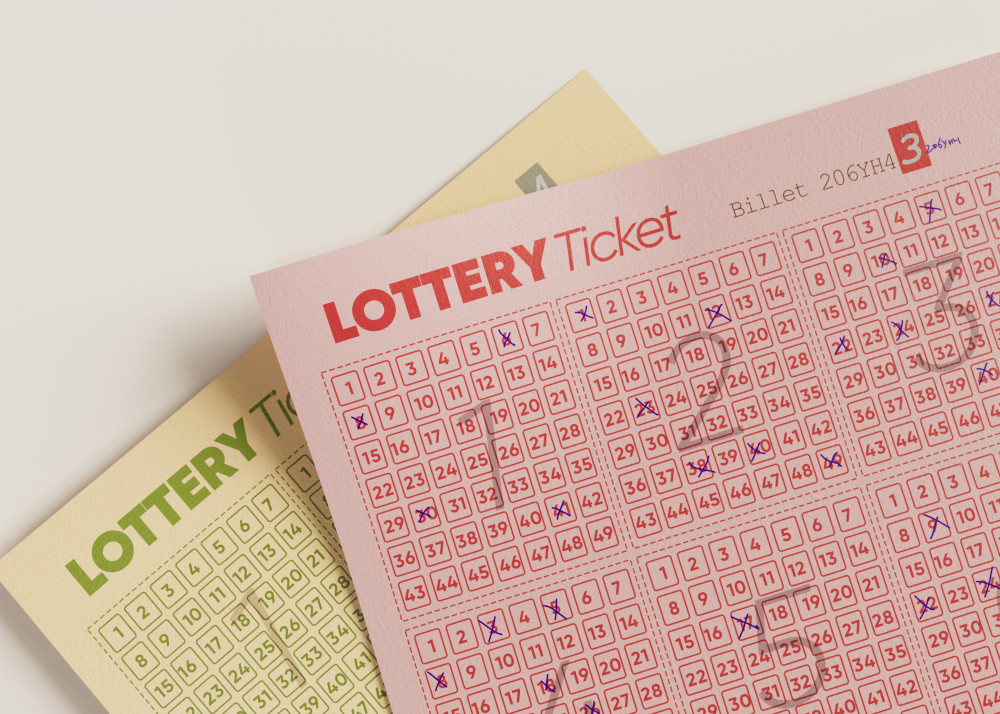
The odds of winning the Irish Lotto jackpot are roughly one in several million – yet every week, tickets are sold in their thousands. For most players, it’s not just about the money. It’s about the thrill, the anticipation, and the momentary escape into a world of possibility.
Perhaps that’s why the lottery endures. It speaks to both sides of human nature – the rational thinker who understands the numbers, and the dreamer who believes that, just maybe, this time could be different.
Læs også: