Poker for Beginners: Learn the Key Terms at the Table

Poker for Beginners: Learn the Key Terms at the Table
Poker is one of the world’s most popular card games – and for good reason. It combines luck, strategy, and psychology in a way that makes every hand unique. For beginners, though, the game can seem like a maze of rules, jargon, and tactics. What do “flop,” “check,” and “all-in” actually mean? And how do you know if your hand is strong or weak? This guide introduces the key terms and basic principles so you can feel more confident the next time you sit down at the table.
The Basics and the Goal of the Game
In poker, the aim is to win chips or money by having the best hand – or by convincing others that you do. The most common version is Texas Hold’em, played with a standard 52-card deck and between 2 and 10 players.
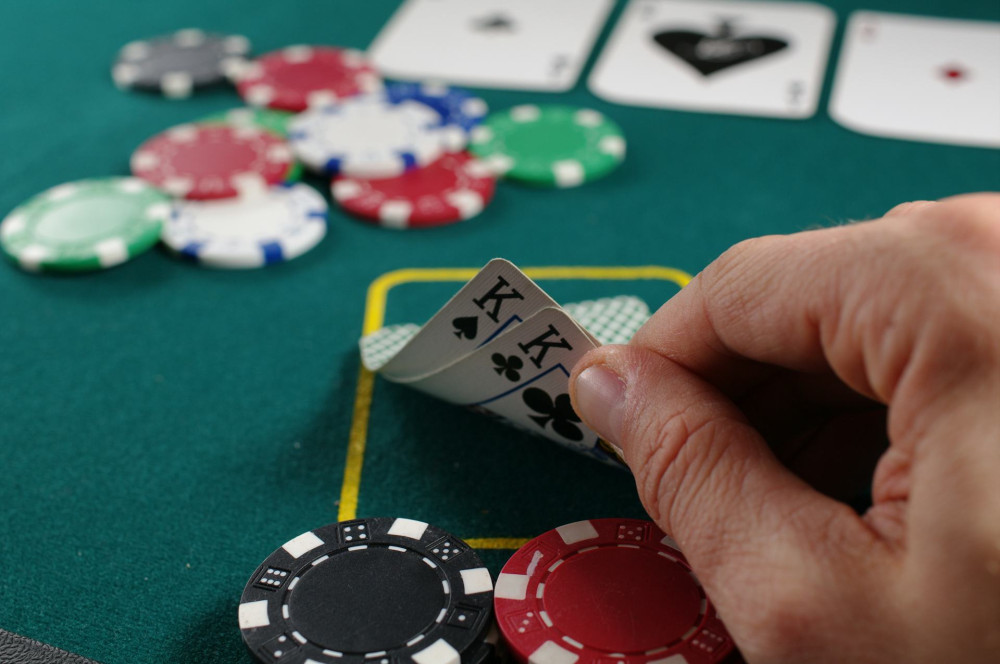
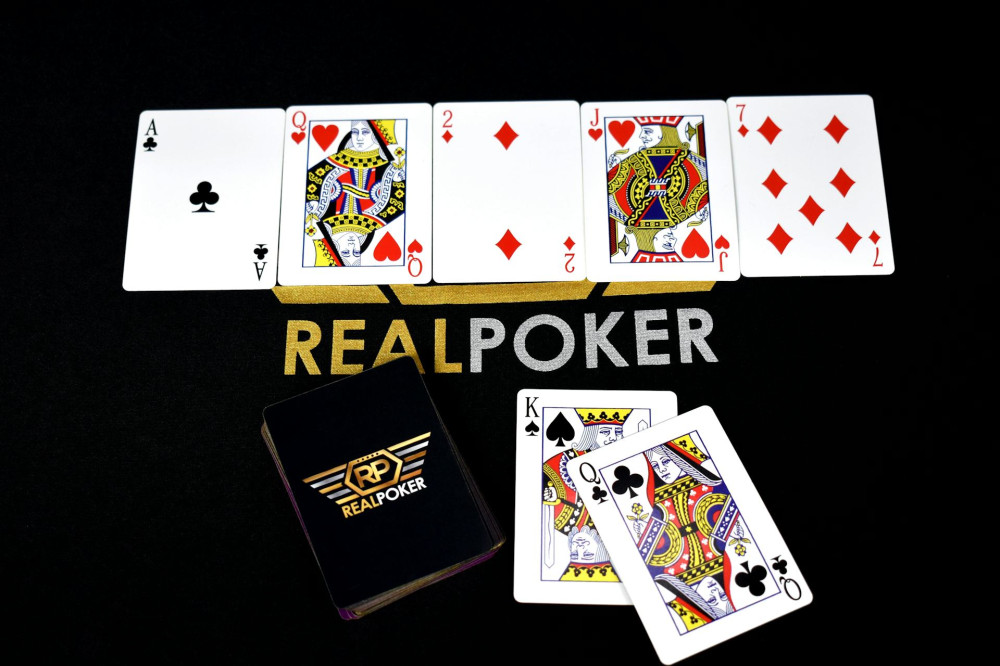
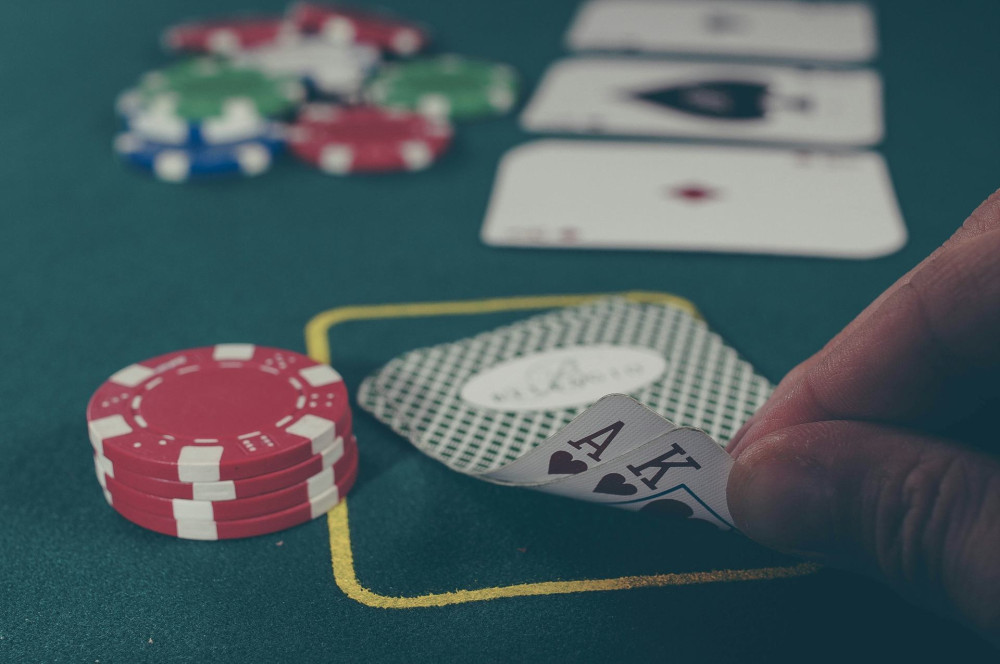
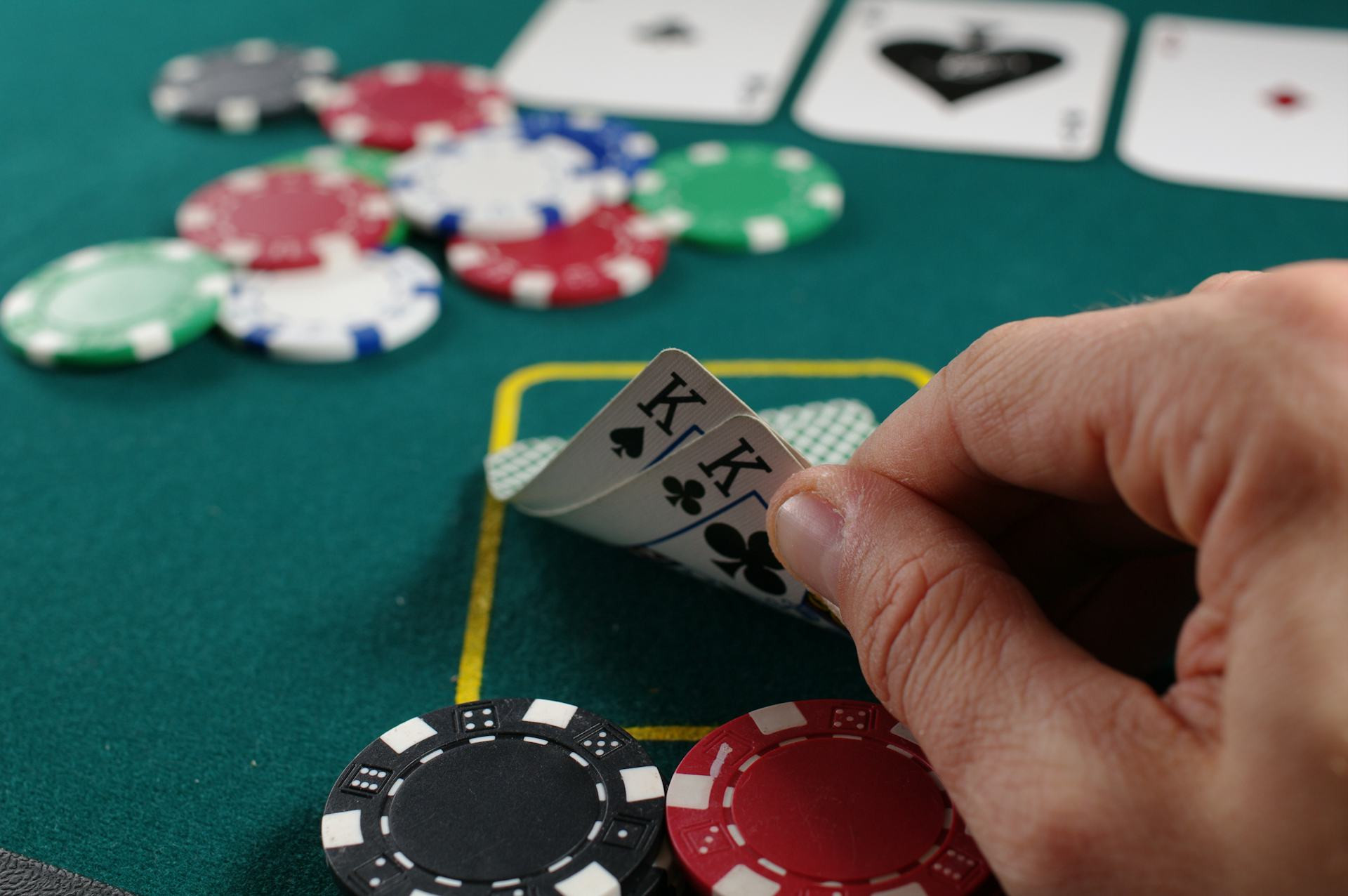
Each player receives two private cards (called hole cards). Then five community cards are dealt face up in three stages: the flop (three cards), the turn (one card), and the river (one card). The goal is to make the best five-card hand using any combination of your two hole cards and the five community cards.
Hand Rankings – From Best to Worst
Knowing the hand rankings is essential. Here’s the order you need to remember:
- Royal Flush – the highest hand: 10, J, Q, K, A of the same suit.
- Straight Flush – five cards in sequence, all of the same suit.
- Four of a Kind – four cards of the same rank, e.g. four kings.
- Full House – three of a kind plus a pair, e.g. three queens and two tens.
- Flush – five cards of the same suit, not in sequence.
- Straight – five cards in sequence, but in different suits.
- Three of a Kind – three cards of the same rank.
- Two Pair – two different pairs.
- One Pair – one pair of matching cards.
- High Card – no combination; the highest card wins.
Once you know these by heart, it becomes much easier to judge whether your hand is strong or weak compared to what’s on the table.
Key Terms You’ll Hear at the Table
Poker has its own language, and learning it will help you follow the action. Here are some of the most common terms:
- Blinds – forced bets made by two players before the cards are dealt. They ensure there’s always something to play for.
- Check – to stay in the hand without betting more, if no one else has bet.
- Call – to match the current bet.
- Raise – to increase the current bet.
- Fold – to give up your hand and forfeit the round.
- All-in – to bet all your remaining chips.
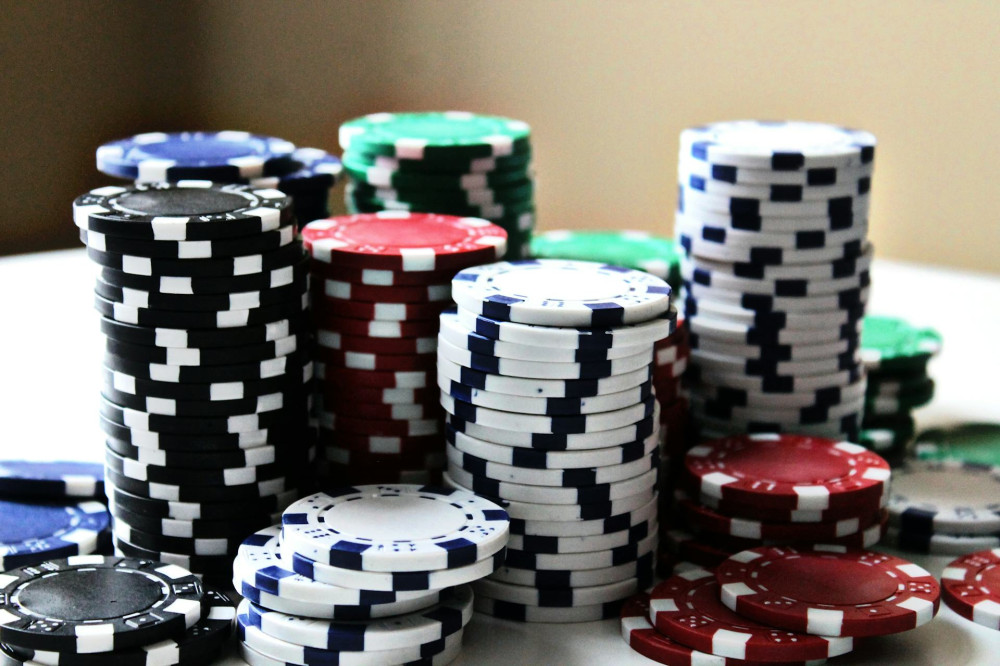
- Pot – the total amount of chips that the winner of the hand will receive.
- Showdown – when the remaining players reveal their cards to determine the winner.
Understanding these terms will make it much easier to follow the flow of the game and make smart decisions.
Læs også:
Why Position Matters
In poker, it’s not just about what cards you have – it’s also about when you act. Your position at the table, meaning where you sit relative to the dealer, is crucial.
Players who act later in a round (known as being in “late position”) have an advantage because they can see what others do before making their own decision. This allows for more strategic play and better use of information.
As a beginner, it’s wise to play more cautiously when you’re in an early position and a bit more aggressively when you’re in a late one.
Reading Opponents – and Yourself
Poker is as much a game of people as it is of cards. Being able to read your opponents’ behaviour – their “tells” – can give you an edge. Some players get quiet when they’re bluffing; others become chatty when they have a strong hand.
At the same time, be aware of your own body language. Try to stay calm and neutral so you don’t give away clues about your hand.
Start Small and Learn as You Go
If you’re new to poker, start with small stakes – whether online or in a friendly home game. This lets you learn the rhythm of the game without risking too much. Focus on understanding the rules, observing other players, and practising how to assess your odds.
As you gain experience, you can experiment with strategies like bluffing, slow playing, and value betting – but always remember to play responsibly and keep it fun.
Poker as a Social and Mental Game
Poker isn’t just about money – it’s also a social and mental challenge. It requires patience, focus, and the ability to handle both wins and losses calmly. Many players find that poker teaches valuable skills in decision-making, risk assessment, and emotional control – lessons that apply far beyond the card table.
Ready to Take a Seat?
Once you’ve mastered the basic terms and concepts, a world of excitement, strategy, and camaraderie awaits. Whether you’re playing casually with friends in Dublin or joining a local tournament, poker is about enjoying the game and learning something new with every hand.
So take your seat, place your chips, and remember: every great player started as a beginner.
Læs også: