Challenge Yourself: Use Intentional Game Choices to Strengthen Your Discipline

Challenge Yourself: Use Intentional Game Choices to Strengthen Your Discipline
Playing games isn’t just about luck – it’s about choices, focus, and self-control. Whether you enjoy card games, strategy games, or casino games, you can use them as a training ground for discipline. By choosing your games intentionally and setting clear boundaries for how you play, you can strengthen your ability to make decisions, handle setbacks, and stay calm under pressure. Here’s how you can turn gaming into a tool for personal growth.
Games as Mental Training
Many people see games purely as entertainment, but they can also serve as mental workouts. When you play, you practise analysing situations, making decisions, and dealing with the consequences. It takes concentration, patience, and the ability to keep a cool head – exactly the qualities that build discipline in everyday life.
By viewing games as exercises in self-control rather than just a pastime, you can shift your mindset. It’s not about winning every time, but about playing in a way that makes you more aware of your reactions and choices.
Læs også:


Choose Games That Challenge You
Not all games train discipline in the same way. If you want to use gaming as a tool to strengthen your self-control, choose games that require strategy, planning, and patience.
- Strategic card games like poker or bridge demand that you think several moves ahead and pay attention to probabilities and opponents’ behaviour.
- Chess and similar games train your ability to analyse and remain calm, even when under pressure.
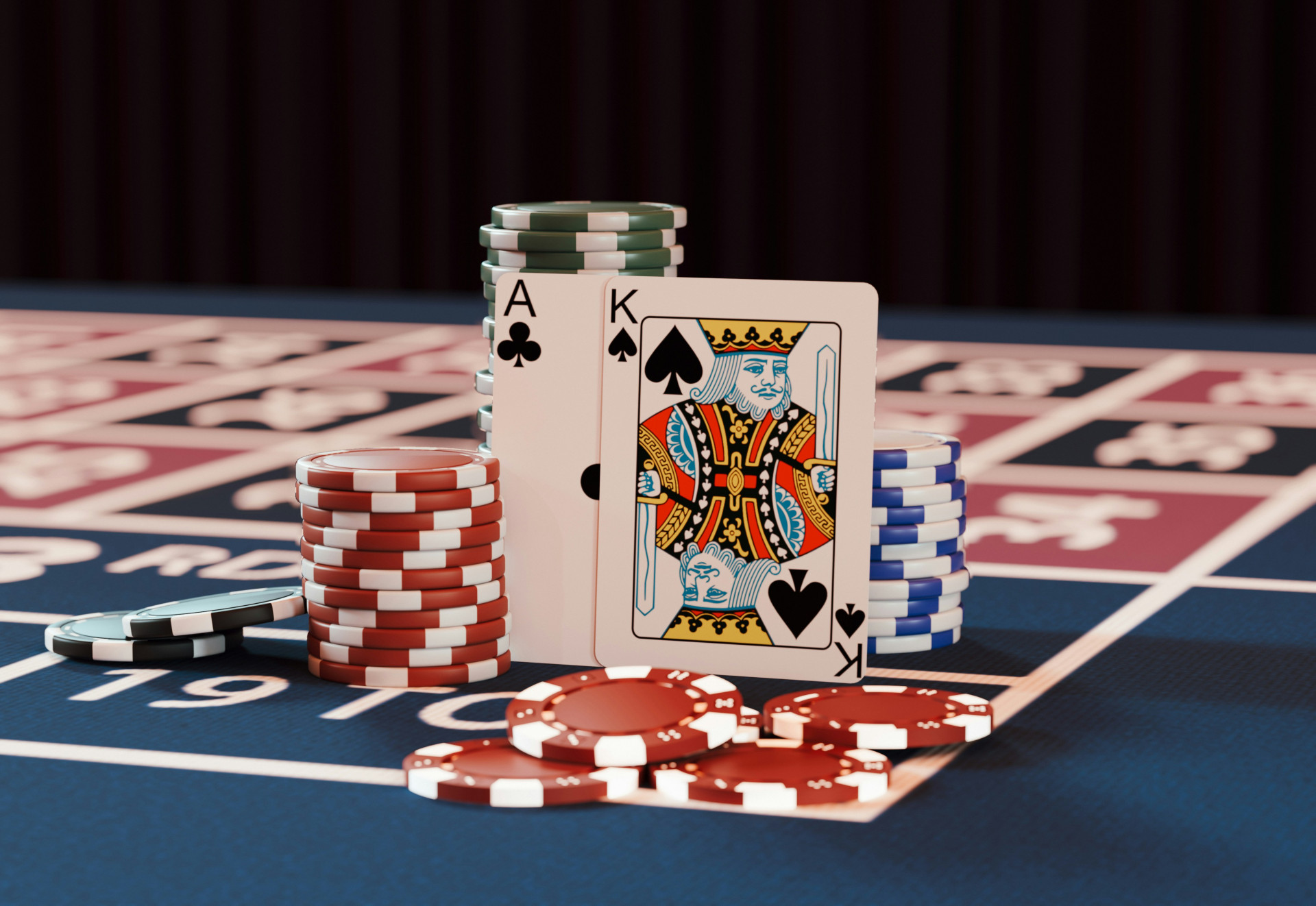
- Casino games with low variance can help you practise controlling your pace and budget – but only if you play with clear limits and a set plan.
The key is to pick games where your decisions influence the outcome and where you can practise sticking to your strategy, even when things don’t go your way.
Set Clear Boundaries for Your Play
Discipline is largely about setting limits – and keeping them. Before you start playing, decide how much time and money you’re willing to spend. Write it down if necessary, and stick to it no matter how the game unfolds.
When you feel tempted to keep going “just a bit longer,” use that moment as an exercise in saying no. Those are the moments when you train your discipline most effectively.
A good approach is to treat each gaming session as a focused exercise in patience, control, and awareness. When the session ends, evaluate how you did – not just in terms of results, but in how you managed your behaviour.
Learn from Your Reactions
Games can act as a mirror for your mindset. Do you get impatient when you lose? Do you lose focus when you’re ahead? By observing your reactions, you can learn a lot about yourself.
Try noting how you respond in different situations. What triggers impulsive decisions? When do you lose concentration? This kind of self-observation can help you identify patterns that also appear outside the game – for example, in your work life or financial decisions.
Make Discipline Part of the Fun
Discipline doesn’t have to feel restrictive. In fact, it can make gaming more rewarding. There’s a deeper satisfaction in knowing that you’re playing on your own terms. When you control the game – rather than letting it control you – the experience becomes more meaningful.
See it as a challenge: Can you stick to your strategy even when you’re tempted to change course? Can you accept a loss without losing focus? Every time you succeed, you strengthen your mental resilience.
Play with Intention – and Play for Growth
Using games as a tool for discipline isn’t about taking the fun out of them – it’s about giving them purpose. When you play intentionally, you become better at managing impulses, making rational decisions, and staying calm – both at the table and in life.
So next time you sit down to play, ask yourself: What do I want to practise today? Maybe it’s not just about winning – but about becoming a stronger, more focused version of yourself.
Læs også: