Is roulette truly a game of skill, or just pure luck? Lets discuss!
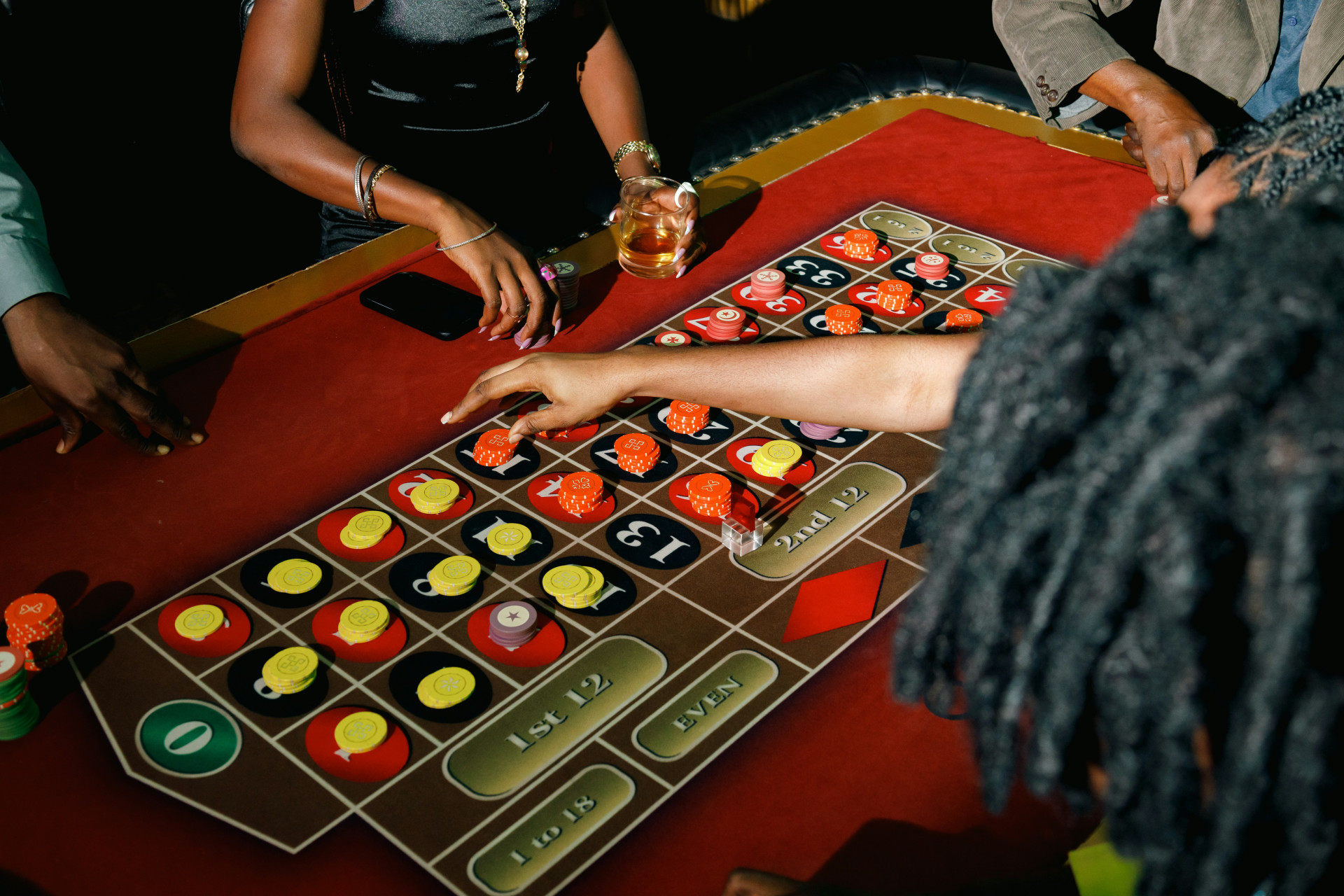
Is roulette truly a game of skill, or just pure luck? Lets discuss!
The Nature of Roulette
Roulette is one of the most iconic casino games around the world. Its elegant wheel, with a host of colorful pockets, attracts players who are both new and experienced. But the question remains: is roulette merely a game of chance, or can skill come into play?
The Mechanics of the Game
At its core, roulette involves a spinning wheel and a small ball. The ball is tossed onto the wheel, and players bet on where they believe it will land. The bets can be placed on specific numbers, colors, or several numbers at once.
The outcome of each spin is independent of the previous spins. In a standard European roulette game, there is 37 possible outcomes, including numbers 1 through 36 and a single zero. The presence of the zero introduces a house edge, making it more advantageous for the casino compared to the players.
Luck: The Primary Factor
Many argue that roulette is predominantly a game of luck. The randomness of each spin means that no past results can influence future outcomes. Each spin is a new opportunity, and players have no control over where the ball will ultimately land.
Gambling, by its very nature, involves luck. Parlaying bets and predicting outcomes are reliant on chance. The unpredictable nature of the game lends itself to high volatility, which is why many players find it thrilling.
The Role of Strategy
Despite the inherent luck involved in roulette, various strategies have emerged over the years. Some players swear by the Martingale system, where they double their bet after each loss. The underlying belief is that eventually, a winning spin will compensate for prior losses.
Another popular approach is the Fibonacci system, which is based on the famous Fibonacci sequence. Players adjust their bets according to the sequence to manage their losses. While these systems may give players a structured approach to betting, they do not alter the fundamental nature of the game that revolves around chance.
The Psychological Aspect
The psychological dynamics of playing roulette cannot be overlooked. Players often experience emotional highs and lows, driven by the anticipation of the spin. This excitement can lead to behaviors that might seem strategic, but they are often driven by emotions rather than skill.
The concept of “hot” and “cold” numbers also comes into play. Players might feel that certain numbers are due for a win or that certain numbers will continue to lose. This is a cognitive bias known as the gamblers fallacy, where past events wrongly influence future expectations.
House Edge: Luck’s Ultimate Player
In addition to player strategies, the house edge plays a significant role in determining the outcome of roulette. Regardless of betting strategy, the casino always has an advantage. In European roulette, the house edge is approximately 2.7%, while American roulette, with its double zero, has a house edge of about 5.26%.
This edge means that, on average, the casino will profit over time, while players are likely to incur losses. Understanding this fact can help players navigate their expectations when engaging in the game of roulette.
The Conclusion of the Argument
So, is roulette a game of skill or just pure luck? The answer is complex. While players may attempt to employ different strategies or psychological tactics, the backbone of roulette remains its unpredictability.
The game thrives on chance, and understanding that luck dominates the outcomes can shape the way players enjoy this classic casino game.


